
 By
Introduction
The business landscape is evolving faster than ever, shaped by technology, shifting consumer expectations, and global economic changes. Entrepreneurs who stay informed about emerging trends are better equipped to adapt, compete, and grow. In 2026, success depends on understanding not just what works today, but what will define tomorrow’s markets.
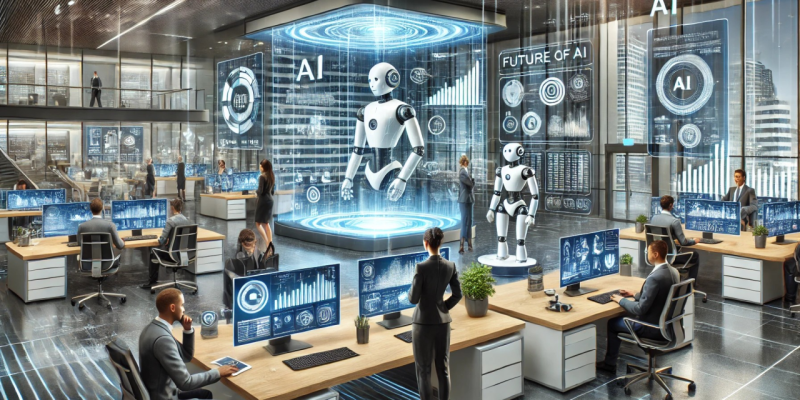
Rise of Artificial Intelligence in Business
Artificial intelligence is no longer optional—it is becoming a core part of business operations.
Key applications:
- Customer support automation through AI chatbots
- Predictive analytics for smarter decision-making
- Personalized marketing based on user behavior
- Process automation to improve efficiency
Businesses that integrate AI effectively are gaining a significant competitive advantage.
Growth of Subscription-Based Models
Recurring revenue models are reshaping how companies generate income.
Why subscriptions are thriving:
- Predictable and stable cash flow
- Stronger customer relationships
- Opportunities for continuous product improvement
From software to physical goods, subscription services are becoming a preferred business model.
Expansion of Remote and Hybrid Work
Work culture has permanently shifted, and flexibility is now a standard expectation.
Impact on businesses:
- Access to global talent pools
- Reduced operational costs (office space, utilities)
- Increased employee satisfaction and productivity
Entrepreneurs are building companies with remote-first or hybrid structures from the start.
Focus on Sustainability and Ethical Practices
Consumers are more conscious of environmental and social issues than ever before.
Sustainable business practices include:
- Using eco-friendly materials
- Reducing carbon footprints
- Ensuring ethical supply chains
- Promoting transparency and accountability
Brands that align with these values are building stronger trust and loyalty.
Data-Driven Decision Making
Data has become one of the most valuable assets for businesses.
How entrepreneurs are using data:
- Tracking customer behavior and preferences
- Optimizing marketing campaigns
- Improving product development
- Forecasting trends and demand
Decisions backed by data are more accurate and reduce business risks.
Growth of E-commerce and Digital Platforms
Online business continues to dominate across industries.
Key developments:
- Rise of direct-to-consumer (DTC) brands
- Increased use of social commerce
- Integration of digital payment systems
- Faster and more efficient logistics
Even traditional businesses are moving online to stay competitive.
Personalization as a Competitive Advantage
Generic experiences are no longer enough. Customers expect tailored interactions.
Examples of personalization:
- Customized product recommendations
- Targeted email and ad campaigns
- Personalized user experiences on websites and apps
Businesses that deliver relevant experiences see higher engagement and conversions.
Automation and Operational Efficiency
Automation is helping businesses scale without increasing costs significantly.
Areas benefiting from automation:
- Marketing workflows
- Inventory management
- Customer onboarding
- Financial processes
Efficient operations allow entrepreneurs to focus on growth and innovation.
Rise of the Creator Economy
Individuals are turning their skills and content into full-scale businesses.
Key aspects:
- Monetization through digital content and platforms
- Growth of personal branding
- Direct engagement with audiences
Entrepreneurs are leveraging this trend to build niche communities and revenue streams.
Increased Importance of Cybersecurity
As businesses become more digital, security risks are growing.
Essential measures:
- Protecting customer data
- Implementing secure payment systems
- Regular system updates and monitoring
Strong cybersecurity builds trust and protects business reputation.
Conclusion
Entrepreneurship in 2026 is defined by adaptability and awareness. The most successful business owners are those who embrace change, leverage technology, and stay aligned with evolving customer expectations. By understanding these key trends, entrepreneurs can position themselves for long-term growth and resilience in a competitive market.
Frequently Asked Questions (FAQs)
1. Why is staying updated with business trends important?
It helps entrepreneurs anticipate changes, adapt strategies, and remain competitive in evolving markets.
2. Which trend has the biggest impact on startups today?
Artificial intelligence and automation are currently among the most impactful trends across industries.
3. Are traditional businesses still relevant in 2026?
Yes, but they must adopt digital tools and modern strategies to stay competitive.
4. How can small businesses adopt these trends with limited budgets?
They can start with affordable tools, focus on high-impact areas, and scale gradually.
5. What role does customer experience play in business success?
Customer experience is critical, as it directly influences retention, loyalty, and brand reputation.
6. Is sustainability only important for large companies?
No, businesses of all sizes benefit from sustainable practices, both ethically and financially.
7. How can entrepreneurs identify which trends to follow?
They should analyze their industry, target audience, and business goals to prioritize the most relevant trends.






Comments