
 By
Introduction
Education is undergoing a profound shift driven by rapid technological advancement. Classrooms are no longer confined to physical spaces, and learning is no longer limited to textbooks. Technology is reshaping how knowledge is delivered, accessed, and applied, making education more flexible, interactive, and inclusive than ever before.
Digital Classrooms and E-Learning Platforms
Traditional classrooms are being enhanced—or even replaced—by digital environments. Online platforms have made education accessible anytime and anywhere.
Key advantages:
- Flexible learning schedules
- Access to a wide range of courses and resources
- Ability to learn at an individual pace
Digital classrooms are especially beneficial for remote learners and working professionals.
Personalized Learning Experiences
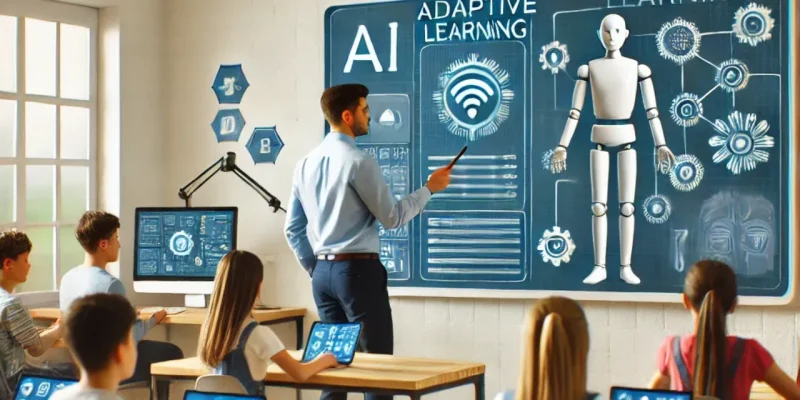
Technology enables tailored education that adapts to each student’s needs and abilities.
How personalization works:
- Adaptive learning software adjusts content based on performance
- Real-time feedback helps students improve quickly
- Customized lesson plans cater to different learning styles
This approach improves engagement and learning outcomes.
Integration of Artificial Intelligence
Artificial intelligence is playing a major role in modern education systems.
AI applications:
- Virtual tutors providing instant support
- Automated grading systems
- Predictive analytics to identify struggling students
- Intelligent content recommendations
AI reduces the burden on educators while enhancing the learning experience.
Use of Virtual and Augmented Reality
Immersive technologies are transforming how students understand complex concepts.
Practical uses:
- Virtual science labs and simulations
- Historical recreations for interactive learning
- Medical and technical training environments
These tools make abstract ideas more tangible and easier to grasp.
Enhanced Collaboration and Communication
Technology has made collaboration easier and more effective, even across distances.
Tools enabling collaboration:
- Video conferencing for live classes
- Shared documents and cloud-based projects
- Online discussion forums
Students and teachers can interact in real time, fostering a more connected learning environment.
Access to Global Knowledge
The internet has opened doors to vast amounts of information and global expertise.
Benefits include:
- Learning from international educators and institutions
- Exposure to diverse perspectives
- Availability of up-to-date content
Students are no longer limited by geographical boundaries.
Automation and Administrative Efficiency
Technology is streamlining administrative tasks in education.
Key improvements:
- Automated attendance and record-keeping
- Digital assessments and report generation
- Efficient communication between institutions and parents
This allows educators to focus more on teaching rather than paperwork.
Skill Development for the Future
Modern education is increasingly focused on preparing students for real-world challenges.
Skills emphasized:
- Digital literacy
- Critical thinking and problem-solving
- Collaboration and communication
- Adaptability to new technologies
Technology-driven education aligns learning with future workforce demands.
Challenges and Limitations
Despite its benefits, technology in education comes with certain challenges.
Key concerns:
- Unequal access to devices and internet
- Overdependence on digital tools
- Data privacy and security issues
- Reduced face-to-face interaction
Balancing technology with traditional methods remains important.
Conclusion
Technology is transforming education into a more dynamic, accessible, and personalized experience. It is breaking down barriers, enhancing engagement, and preparing learners for a rapidly evolving world. While challenges exist, the benefits far outweigh the limitations, making technology an essential component of modern education.
Frequently Asked Questions (FAQs)
1. How does technology improve student engagement?
Interactive tools, multimedia content, and real-time feedback make learning more engaging and enjoyable.
2. What role do teachers play in technology-driven education?
Teachers act as facilitators and guides, helping students navigate digital resources and apply knowledge effectively.
3. Is technology replacing traditional teaching methods?
No, it is enhancing them. A blended approach combining both methods is often the most effective.
4. What are the risks of using technology in education?
Risks include data privacy concerns, screen fatigue, and unequal access to resources.
5. How can schools implement technology effectively?
By investing in infrastructure, training teachers, and choosing tools that align with learning objectives.
6. Does technology make education more accessible?
Yes, it allows learners from different locations and backgrounds to access quality education.
7. What is the future of technology in education?
It will continue to evolve with advancements like AI, VR, and data analytics, making learning more personalized and immersive.





Comments