
 By

Introduction
Online learning has evolved from a convenient alternative into a central pillar of modern education. By 2026, it is no longer limited to recorded lectures or basic courses—it has become an interactive, personalized, and technology-driven experience. Students, professionals, and institutions are embracing digital education as a flexible and scalable way to acquire knowledge and skills.
Rise of Personalized Learning
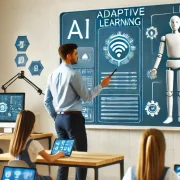
One of the most significant shifts in online education is the move toward personalization. Learners no longer follow a one-size-fits-all curriculum.
Key features:
- Adaptive learning systems that adjust content based on performance
- Customized learning paths tailored to individual goals
- Real-time feedback to improve understanding
This approach helps learners progress at their own pace and improves retention.
Integration of Artificial Intelligence
Artificial intelligence is reshaping how content is delivered and consumed.
AI-driven innovations:
- Smart tutors that provide instant support
- Automated grading and assessment tools
- Predictive analytics to identify learning gaps
- Content recommendations based on user behavior
AI enhances both teaching efficiency and student outcomes.
Growth of Microlearning and Skill-Based Courses
Short, focused learning modules are becoming more popular than lengthy programs.
Why microlearning works:
- Easy to fit into busy schedules
- Focused on specific, practical skills
- Higher engagement and completion rates
Professionals are increasingly choosing short courses to upskill quickly.
Immersive Learning with AR and VR
Augmented Reality (AR) and Virtual Reality (VR) are making online learning more interactive and engaging.
Applications include:
- Virtual labs for science and engineering
- Simulated environments for medical training
- Interactive historical or geographical experiences
These technologies bridge the gap between theory and real-world application.
Increased Accessibility and Global Reach
Online learning has made education accessible to a wider audience than ever before.
Benefits:
- Access to courses from top institutions worldwide
- Learning opportunities in remote or underserved areas
- Flexible schedules for working professionals
This democratization of education is reducing barriers and expanding opportunities.
Collaboration and Community-Based Learning
Learning is no longer an isolated activity. Modern platforms emphasize interaction and collaboration.
Key elements:
- Discussion forums and peer learning
- Group projects and live sessions
- Networking opportunities with global learners
Community engagement enhances motivation and knowledge sharing.
Role of Data and Analytics in Education
Data is playing a crucial role in improving learning experiences.
How it helps:
- Tracking learner progress and performance
- Identifying strengths and weaknesses
- Optimizing course content and delivery
Educators can make informed decisions to improve outcomes.
Corporate Adoption of Online Learning
Businesses are increasingly using online platforms for employee training and development.
Corporate trends:
- Continuous learning programs for employees
- Focus on reskilling and upskilling
- Integration of learning with career growth
Organizations are investing in learning to stay competitive in a rapidly changing market.
Challenges Facing Online Learning
Despite its growth, online education still faces several challenges.
Key issues:
- Lack of personal interaction in some formats
- Digital divide in access to technology
- Maintaining learner engagement
- Ensuring quality and credibility of courses
Addressing these challenges is essential for long-term success.
Conclusion
The future of online learning is dynamic, inclusive, and technology-driven. As innovations continue to reshape the way knowledge is delivered, education is becoming more flexible, personalized, and accessible. Online learning is no longer just an alternative—it is a powerful and essential part of the global education system.
Frequently Asked Questions (FAQs)
1. Is online learning as effective as traditional classroom education?
It can be equally effective when designed well, especially with interactive tools and personalized learning approaches.
2. What skills are best suited for online learning?
Technical skills, digital marketing, programming, business management, and language learning are highly suited for online platforms.
3. Do employers recognize online certifications?
Yes, many employers value certifications from reputable platforms, especially when they demonstrate practical skills.
4. How can students stay motivated while learning online?
Setting clear goals, maintaining a schedule, and engaging with peers can help sustain motivation.
5. What technologies are shaping the future of online education?
Artificial intelligence, virtual reality, data analytics, and cloud computing are key technologies driving innovation.
6. Is online learning affordable?
Many courses are more affordable than traditional education, and some platforms offer free or low-cost options.
7. Can online learning replace traditional education completely?
While it may not fully replace traditional systems, it will continue to complement and enhance them significantly.





Comments