
 By
Introduction
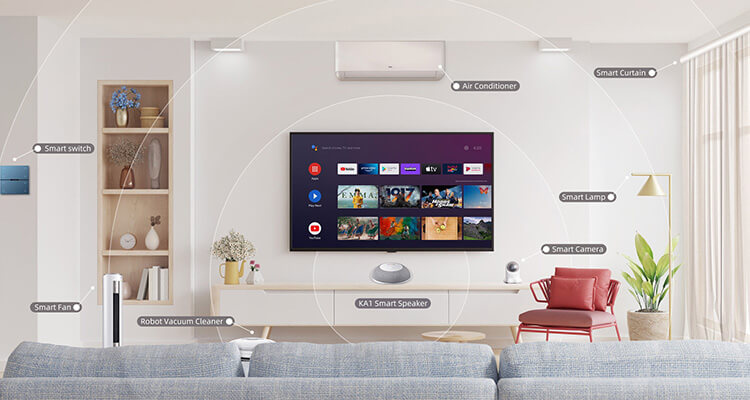
Smart home technology is transforming how people interact with their living spaces. What once seemed futuristic—controlling lights, appliances, and security systems with a smartphone or voice command—is now part of everyday life. A smart home combines convenience, efficiency, and security, making daily routines simpler and more connected.
What is Smart Home Technology?
Smart home technology refers to devices and systems that connect through the internet to automate and control household functions.
Key characteristics:
- Remote control via smartphones or tablets
- Automation based on schedules or triggers
- Integration with voice assistants
- Real-time monitoring and alerts
These systems create a connected environment where devices communicate with each other.
Core Components of a Smart Home
Building a smart home starts with understanding its essential components.
Main elements include:
- Smart lighting systems for automated brightness and energy efficiency
- Smart thermostats to regulate temperature
- Security devices like cameras, sensors, and smart locks
- Smart appliances such as refrigerators, washing machines, and TVs
These components work together to enhance comfort and control.
Benefits of Smart Home Technology
Smart homes offer several advantages that improve everyday living.
Key benefits:
- Convenience: Control devices from anywhere
- Energy efficiency: Reduce electricity consumption
- Enhanced security: Monitor your home in real time
- Time-saving automation: Automate repetitive tasks
These benefits make smart homes increasingly popular among modern households.
Popular Smart Home Devices
There are numerous devices available for different needs and budgets.
Common devices:
- Smart speakers with voice assistants
- Smart bulbs and lighting systems
- Smart plugs and switches
- Video doorbells and security cameras
- Smart thermostats
Starting with a few basic devices can gradually lead to a fully automated home.
Smart Home Automation
Automation is what makes a home truly “smart.”
Examples of automation:
- Lights turning on automatically when you enter a room
- Thermostat adjusting based on your schedule
- Security systems activating when you leave home
Automation improves efficiency and reduces manual effort.
Integration and Compatibility
One of the biggest challenges is ensuring that devices work together seamlessly.
Tips for integration:
- Choose devices that support common platforms or ecosystems
- Use a central hub or app to manage devices
- Check compatibility before purchasing
A well-integrated system ensures smooth operation and better user experience.
Security and Privacy Considerations
While smart homes offer convenience, they also raise concerns about data security.
Safety measures:
- Use strong passwords and two-factor authentication
- Keep devices updated with the latest software
- Secure your home Wi-Fi network
Protecting your data is essential for a safe smart home experience.
Cost and Setup
Smart home setups can vary widely in cost depending on complexity.
Cost factors:
- Number of devices installed
- Brand and features
- Professional installation vs DIY setup
Beginners can start small and expand gradually based on budget and needs.
Future of Smart Home Technology
The future of smart homes is driven by innovation and deeper integration.
Emerging trends:
- AI-powered automation for smarter decision-making
- Increased use of voice and gesture control
- Integration with renewable energy systems
- More affordable and accessible devices
Smart homes are expected to become more intuitive and efficient over time.
Conclusion
Smart home technology is redefining modern living by offering greater convenience, efficiency, and control. Whether you start with a single device or build a fully automated system, the key is to choose solutions that fit your lifestyle. As technology continues to evolve, smart homes will become an essential part of everyday life.
Frequently Asked Questions (FAQs)
1. Is smart home technology expensive to set up?
It can be affordable if you start with basic devices and expand gradually.
2. Do smart home devices require internet connectivity?
Yes, most smart devices rely on internet connections for remote control and automation.
3. Can I install smart home devices myself?
Many devices are designed for easy DIY installation, though complex systems may require professional help.
4. Are smart homes energy efficient?
Yes, smart devices like thermostats and lighting systems help reduce energy consumption.
5. What happens if the internet goes down?
Some devices may lose remote functionality, but basic operations often still work locally.
6. How secure are smart home systems?
They are generally secure if proper precautions like strong passwords and updates are maintained.
7. Can smart home devices work together from different brands?
Yes, but compatibility depends on shared platforms or ecosystems, so it’s important to check before purchasing.






Comments