
 By
Introduction
Electric vehicles (EVs) have moved beyond early adoption and are now shaping the global automotive landscape. By 2026, the industry is no longer defined by experimentation but by rapid scaling, technological refinement, and deeper integration into everyday life. Governments, automakers, and consumers are collectively accelerating this transition, making EVs a central pillar of modern transportation.
Market Growth and Adoption Trends
The EV market in 2026 is witnessing unprecedented expansion. What was once a niche segment is now mainstream across multiple regions.
Key growth drivers include:
- Stricter emission regulations in Europe, China, and parts of North America
- Declining battery costs, making EVs more affordable
- Increased consumer awareness about sustainability
- Government incentives and subsidies
Emerging markets, including India, Southeast Asia, and Latin America, are also contributing significantly to EV adoption, especially in two-wheelers and compact vehicles.
Battery Technology Breakthroughs
Battery innovation is at the heart of EV evolution. By 2026, several advancements are redefining performance and cost efficiency.
Major developments:
- Solid-state batteries: Offering higher energy density and improved safety
- Faster charging speeds: Many EVs now reach 80% charge in under 20 minutes
- Extended range: Average EV ranges exceeding 500–700 km per charge
- Battery recycling systems: Reducing environmental impact and resource dependency
These innovations are reducing “range anxiety” and making EVs more practical for long-distance travel.
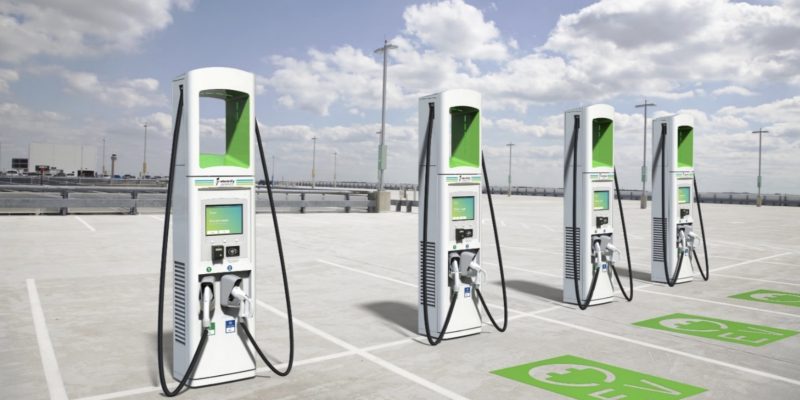
Charging Infrastructure Expansion
One of the biggest barriers to EV adoption has been charging availability. In 2026, this challenge is rapidly diminishing.
Infrastructure improvements:
- Ultra-fast charging networks along highways
- Smart home charging systems integrated with renewable energy
- Wireless charging technology in pilot stages
- Urban charging hubs in apartments and commercial spaces
Charging is becoming as convenient as refueling traditional vehicles, especially in developed urban areas.
Integration with Smart Technology
Electric vehicles are no longer just transportation devices—they are part of a broader digital ecosystem.
Notable features:
- AI-powered driving assistance and semi-autonomous capabilities
- Over-the-air (OTA) software updates for continuous improvement
- Vehicle-to-grid (V2G) technology, allowing EVs to supply energy back to the grid
- Advanced infotainment systems with seamless connectivity
This integration transforms EVs into smart mobility platforms rather than simple machines.
Environmental and Economic Impact
EVs are playing a crucial role in reducing carbon emissions, but their impact goes beyond the environment.
Positive outcomes:
- Lower greenhouse gas emissions, especially when paired with renewable energy
- Reduced dependence on fossil fuels
- New job creation in battery manufacturing, software, and infrastructure
- Lower operating costs for consumers due to fewer moving parts and cheaper energy
However, challenges remain in battery material sourcing and energy grid sustainability.
Challenges Still Facing EVs
Despite rapid progress, some hurdles persist in 2026.
Key challenges:
- High upfront cost compared to traditional vehicles in some regions
- Charging infrastructure gaps in rural areas
- Battery raw material supply constraints (lithium, cobalt)
- Grid capacity concerns due to increased electricity demand
Addressing these issues will determine the long-term success of EV adoption.
The Role of Governments and Policies
Government policies continue to shape the EV landscape.
Policy initiatives include:
- Phasing out internal combustion engine (ICE) vehicles
- Subsidies and tax benefits for EV buyers
- Investment in public charging infrastructure
- Support for domestic battery production
Countries that align policy with innovation are seeing faster transitions and stronger industry growth.
What Consumers Can Expect in 2026
For everyday users, EV ownership in 2026 is significantly more appealing and practical.
Consumer benefits:
- More affordable models across all segments
- Improved reliability and performance
- Better resale value as EV demand rises
- Wider model variety, from budget cars to luxury SUVs
EVs are no longer a compromise—they are often the preferred choice.
Conclusion
The future of electric vehicles in 2026 is defined by maturity, innovation, and widespread acceptance. What began as a sustainability-driven movement has evolved into a technological revolution that is reshaping transportation. While challenges remain, the trajectory is clear: EVs are not just the future—they are the present.
Frequently Asked Questions (FAQs)
1. Are electric vehicles cheaper than petrol cars in 2026?
While initial purchase prices can still be higher, EVs are generally cheaper to maintain and operate over time, making them cost-effective in the long run.
2. How long does it take to charge an EV in 2026?
Fast-charging technology allows many EVs to charge up to 80% in 15–25 minutes, depending on the charger and battery type.
3. What is the average range of electric vehicles in 2026?
Most modern EVs offer ranges between 400 km and 700 km on a single charge.
4. Are EV batteries environmentally friendly?
Battery production has environmental impacts, but recycling technologies and cleaner energy sources are improving sustainability.
5. Can EVs replace traditional vehicles completely?
In many urban and developed regions, EVs are already replacing traditional vehicles, though full global replacement will take more time.
6. Is charging infrastructure widely available?
Charging networks have expanded significantly, especially in cities and highways, but rural areas may still face limitations.
7. What happens to EV batteries after they degrade?
Degraded batteries are often repurposed for energy storage or recycled to recover valuable materials.







Comments