
 By
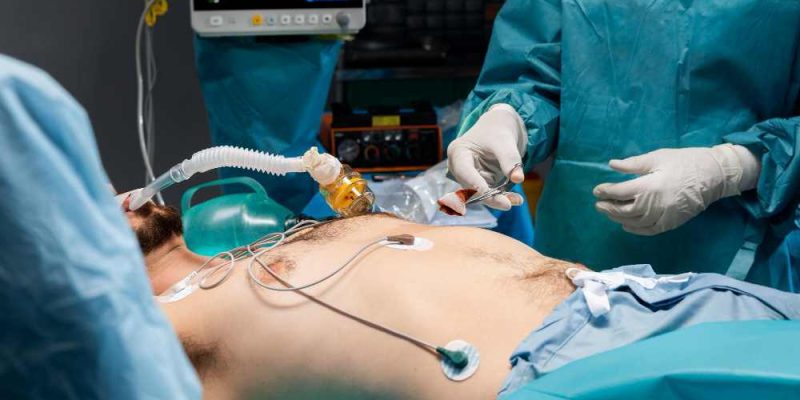
Gallstones are a common health issue that can cause significant discomfort and pain. For many people in Thailand, where certain dietary habits can contribute to their formation, understanding treatment options is important. While not everyone with gallstones needs an operation, for those who do, modern medicine offers advanced procedures. Today, many surgeons favour a less invasive approach for gallstone removal.
This method, often called laparoscopic surgery, has become a standard treatment for symptomatic gallstones. It represents a significant advancement in how Gallbladder stone surgery (known as ผ่าตัดนิ่วถุงน้ำดี in Thai) is performed. Instead of one large incision, the surgeon makes several small cuts in the abdomen. Through these small openings, a tiny camera and specialised surgical tools are inserted to remove the gallbladder. This technique offers numerous benefits for the patient.
The primary advantage of this minimally invasive procedure is a faster recovery time. Patients typically experience less pain after the operation compared to traditional open surgery. The smaller incisions also mean smaller scars, which many find preferable. This approach has transformed the patient experience, allowing for a quicker return to daily activities.
Understanding the Procedure
Before the surgery, your doctor will conduct a thorough evaluation, which may include blood tests and imaging scans like an ultrasound. This is to confirm the diagnosis and ensure you are a suitable candidate for the procedure. You will be given specific instructions to prepare, such as fasting for a certain period before the operation.
The surgery is performed under general anaesthesia, meaning you will be asleep and feel no pain. The surgeon inflates your abdomen with carbon dioxide gas. This gently lifts the abdominal wall away from the organs, creating space for the surgeon to work safely. The camera, called a laparoscope, sends images to a high-definition monitor in the operating room, giving the surgical team a clear view.
Using the specialised instruments, the surgeon carefully detaches the gallbladder and removes it through one of the small incisions. The whole procedure usually takes about one to two hours. Once the gallbladder is removed, the small cuts are closed with stitches or surgical tape.
Recovery and Life After Surgery
After the procedure, you will be monitored for a few hours as the anaesthesia wears off. Many patients are able to go home the same day or the next morning. It is normal to feel some soreness in your abdomen or even your shoulder, which is caused by the gas used during the surgery. Pain medication can manage this discomfort.
You can live a perfectly normal life without a gallbladder. The liver will continue to produce bile to digest fats; it will just drip directly into the small intestine instead of being stored in the gallbladder. Your doctor may recommend a low-fat diet for the first few weeks after surgery, gradually reintroducing foods as your body adjusts. Following your surgeon’s post-operative advice is the best way to ensure a smooth and speedy recovery.











Comments