
 By
Introduction
A car is a long-term investment, and how you maintain it directly affects its performance, reliability, and lifespan. Regular upkeep not only prevents unexpected breakdowns but also saves money by avoiding costly repairs. With consistent attention and a few smart habits, any vehicle can run smoothly for years.
Follow a Regular Service Schedule
Routine servicing is the backbone of vehicle longevity. Manufacturers provide service intervals based on mileage or time, and sticking to them ensures that small issues don’t turn into major problems.
What to focus on:
- Engine oil and filter changes
- Brake inspections
- Fluid level checks
- Air and cabin filter replacement
Ignoring scheduled maintenance often leads to reduced engine efficiency and higher repair costs later.
Keep the Engine Oil Fresh
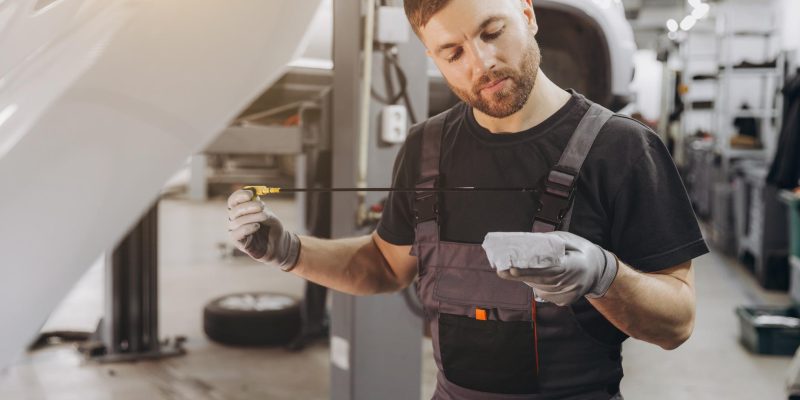
Engine oil lubricates moving parts, reduces friction, and prevents overheating. Over time, oil degrades and loses its effectiveness.
Best practices:
- Change oil every 5,000–10,000 km depending on your vehicle
- Use the recommended oil grade
- Check oil levels monthly
Clean oil ensures smoother engine operation and improves fuel efficiency.
Maintain Proper Tire Care
Tires are your car’s only contact with the road, making their condition critical for both safety and performance.
Tire maintenance tips:
- Check tire pressure every 2–3 weeks
- Rotate tires every 8,000–10,000 km
- Inspect for uneven wear or damage
- Keep wheels properly aligned
Well-maintained tires improve mileage, handling, and braking performance.
Monitor Fluid Levels Regularly
Your car relies on multiple fluids to function efficiently. Low or contaminated fluids can lead to severe mechanical issues.
Essential fluids to check:
- Coolant – prevents overheating
- Brake fluid – ensures braking efficiency
- Transmission fluid – supports smooth gear shifts
- Power steering fluid – enables easy steering
Make it a habit to inspect these fluids periodically, especially before long trips.
Take Care of the Battery
A weak or failing battery can leave you stranded without warning. Battery health is often overlooked until it’s too late.
Battery care tips:
- Clean terminals to prevent corrosion
- Check voltage regularly
- Replace every 3–5 years
- Avoid leaving lights or electronics on when the engine is off
A well-maintained battery ensures reliable starts and stable electrical performance.
Pay Attention to Brakes
Brakes are a critical safety component and should never be neglected.
Signs to watch for:
- Squeaking or grinding noises
- Reduced braking responsiveness
- Vibrations while braking
Regular inspections and timely replacement of brake pads help maintain safety and control.
Keep the Car Clean Inside and Out
Cleanliness is more than aesthetics—it helps preserve your car’s condition.
Cleaning benefits:
- Prevents rust and corrosion
- Protects paint and finish
- Maintains interior quality and resale value
Washing your car regularly and applying protective coatings can extend its lifespan.
Drive Responsibly
Driving habits have a major impact on vehicle wear and tear.
Smart driving practices:
- Avoid sudden acceleration and braking
- Do not overload the vehicle
- Warm up the engine before driving aggressively
- Shift gears smoothly
Gentle driving reduces strain on the engine, transmission, and brakes.
Replace Worn-Out Parts Promptly
Delaying small repairs often leads to bigger problems. Worn components affect overall performance and safety.
Common parts to replace:
- Spark plugs
- Brake pads
- Belts and hoses
- Wiper blades
Timely replacements ensure your car runs efficiently and safely.
Conclusion
Maintaining a car for long-term performance is not complicated—it simply requires consistency and attention to detail. By following a regular service routine, monitoring key components, and adopting responsible driving habits, you can significantly extend your vehicle’s life and keep it running at its best.
Frequently Asked Questions (FAQs)
1. How often should I service my car for optimal performance?
Most cars should be serviced every 6 months or 10,000 km, but always follow the manufacturer’s recommendations.
2. What happens if I delay oil changes?
Old oil loses its lubricating properties, which can lead to engine wear, overheating, and reduced efficiency.
3. How can I improve my car’s fuel efficiency?
Maintaining proper tire pressure, using quality fuel, and avoiding aggressive driving can improve mileage.
4. Is it necessary to warm up the car before driving?
Modern cars require minimal warm-up, but allowing the engine to run for a minute can help in colder conditions.
5. How do I know if my tires need replacement?
Look for worn tread, cracks, or frequent air loss. Tires should also be replaced every 4–6 years.
6. Can regular cleaning really affect performance?
While it doesn’t directly impact engine performance, cleaning prevents damage and helps maintain overall vehicle condition.
7. What are the early signs of engine trouble?
Unusual noises, warning lights, reduced power, and excessive smoke are common indicators that need immediate attention.







Comments